
Emergency Tree Service
Fast Response When a Tree Can't Wait
Some tree situations can be scheduled. Others can’t. When a tree falls on your home, a limb is hanging over an occupied area, or storm damage leaves your property unsafe, you need a crew that picks up, shows up, and gets it handled. West Roots Tree Service provides emergency tree service throughout the Greater Grand Rapids area.
35+ Five-Star Reviews
Emergency Tree Service Reviews
West Roots goes above and beyond in their service. Chase and Corey are great people and knowledgable about trees. This company is fairly new and it is evident that they are out to show our community how great they are. My wife and I couldn’t have been more impressed with their service – and clean up afterward was phenomenal.
After a storm caused a tree to snap and fall on our property, this team responded quickly and did an excellent job. Competitive pricing, on-time service, and a thorough cleanup when the work was done. Professional, efficient, and easy to work with. Highly recommend!
Professional Emergency Tree Service
Emergency tree situations require a different approach than a scheduled removal. The hazard is active. The margin for error is smaller. And the sequence of decisions matters more than the speed of the first cut.
Every emergency call starts with an assessment of what’s actually happening. We evaluate:
- What the tree or limb is in contact with and how much load it’s putting on the structure
- Whether the situation is stable enough to work safely or needs to be stabilized first
- Proximity to utility lines, your home, and surrounding structures
- Whether the tree is fully down, hanging, or still partially standing
- The safest access route for our crew and equipment
Based on that assessment, we determine the right approach. Our aim on every emergency job:
- Make the situation safe before anything else
- Remove the tree or limb without causing additional damage to your property
- Protect your home, structures, and landscaping throughout the process
- Clear all debris before we leave
- Tell you honestly what we found and what, if anything, needs to happen next
Emergency and hazardous situations are given scheduling priority. We respond as quickly as conditions and crew availability allow.
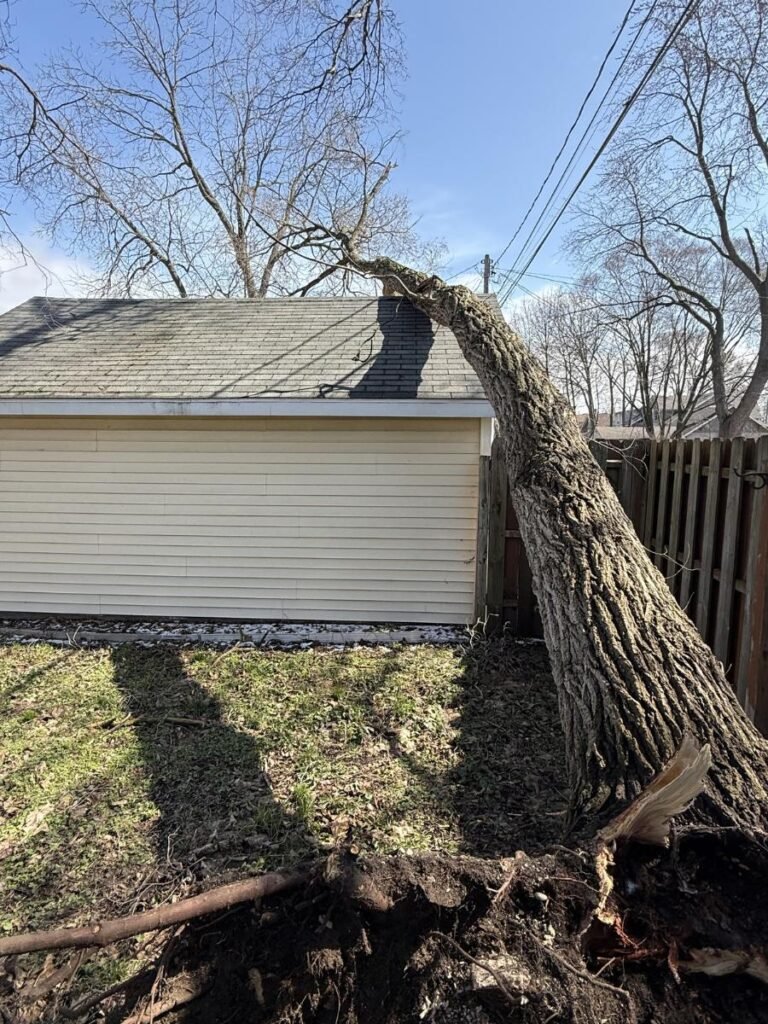
Common Reasons Homeowners Call Us
Not every urgent tree call is the same. Here are the situations we respond to most often and what the work typically involves.
A Tree Has Fallen on Your Home, Garage, or Vehicle
A tree resting on a structure is an active hazard. The weight creates pressure on the roof and walls, and the situation can worsen quickly, especially if rain or wind follows the initial event. This is not a job for cutting first and thinking second.
- We assess the load and contact points before making any cuts
- Rigging is used to lower sections in a controlled direction, away from the structure
- We work carefully to avoid causing additional damage to what’s underneath
- If the structure appears compromised, we’ll tell you what we see
A Large Limb Is Hanging or Partially Attached
A partially attached limb can fall without warning. Even one that looks stable may have cracked at the attachment point and be holding on by almost nothing.
- We assess the limb and its attachment point before any work begins underneath
- Controlled cutting and rigging bring sections down safely
- We check the surrounding canopy for additional damage that hasn’t come down yet
- We’ll tell you honestly if the rest of the tree needs to be addressed
Storm Damage Has Left Your Property Unsafe
After a major storm, the damage isn’t always confined to one tree. Downed limbs, split trunks, uprooted root balls, and debris scattered across the property can all create hazards that need to be addressed before the property is safe to use normally.
- We assess the full scope of the damage before developing a removal plan
- Multiple trees or limbs can be addressed in a single visit
- All debris is cleared before we leave
- We flag anything that looks like it may need follow-up attention
A Tree or Limb Is Threatening Utility Lines
Trees in contact with or falling toward power lines require careful coordination. The utility company handles the lines. We handle the tree. These situations can’t be rushed, and the two jobs need to happen in the right order.
- We identify utility line proximity as part of the initial assessment
- We coordinate with utility providers when required before any work begins
- We won’t start work near active lines until it’s safe to do so
- Once lines are clear, we complete the removal or trimming using controlled techniques
A Hazardous Tree Needs to Come Down Before It Falls
A hazardous tree does not wait for a convenient time to fall. Dead trees, trees with significant structural damage, and trees leaning toward a home or structure all carry risk that increases over time. If you’ve spotted something that concerns you, it’s worth getting eyes on it quickly.
- We assess the tree for structural integrity, lean, root health, and proximity to structures
- If the tree is safe to leave for now, we’ll tell you that honestly
- If removal is needed, we explain what we’re seeing and develop a plan
- Hazardous situations are given scheduling priority
You Need a Tree Addressed on a Tight Timeline
Not every emergency involves a tree that’s already down. Sometimes you need a job completed quickly: a closing date, a contractor starting work, a tenant moving in. We can prioritize jobs when the situation calls for it.
- Tell us about the timeline when you reach out
- We’ll be direct about what we can accommodate and when
- Most jobs are completed in a single visit once scheduled
- We’ll confirm the scope before we arrive so there are no surprises
Emergency Tree Service Across West Michigan
- Allendale
- Hudsonville
- Grandville
- Wyoming
- Grand Rapids
- Walker
- Grand Haven
- Holland
- Byron Center
- Ada
- Belmont
Why Homeowners Choose West Roots
When you’re dealing with an urgent tree situation, you need a company that responds, communicates, and gets the work done right. Here’s what that looks like with us.
Fast Response
We prioritize emergency and hazardous tree calls. After major storm events, response times may be longer due to volume, but we’ll communicate clearly about timing and won’t leave you guessing. Hazardous situations go to the top of the schedule.
Clear Communication
We’ll tell you what we see, what we recommend, and what it will cost before any work begins. No pressure, no surprise fees. If the situation turns out to be less urgent than expected, we’ll tell you that too.
Exceptional Cleanup
We treat your property like it’s our own. Branches, debris, and wood are cleared before we leave. When we’re done, it shows.
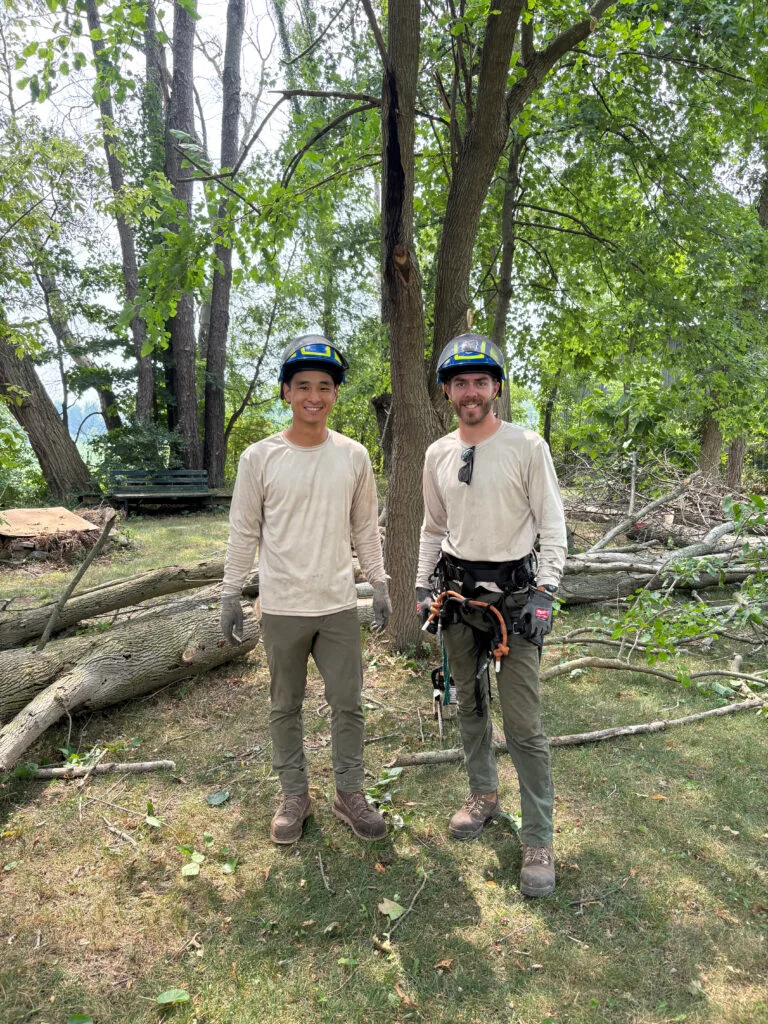
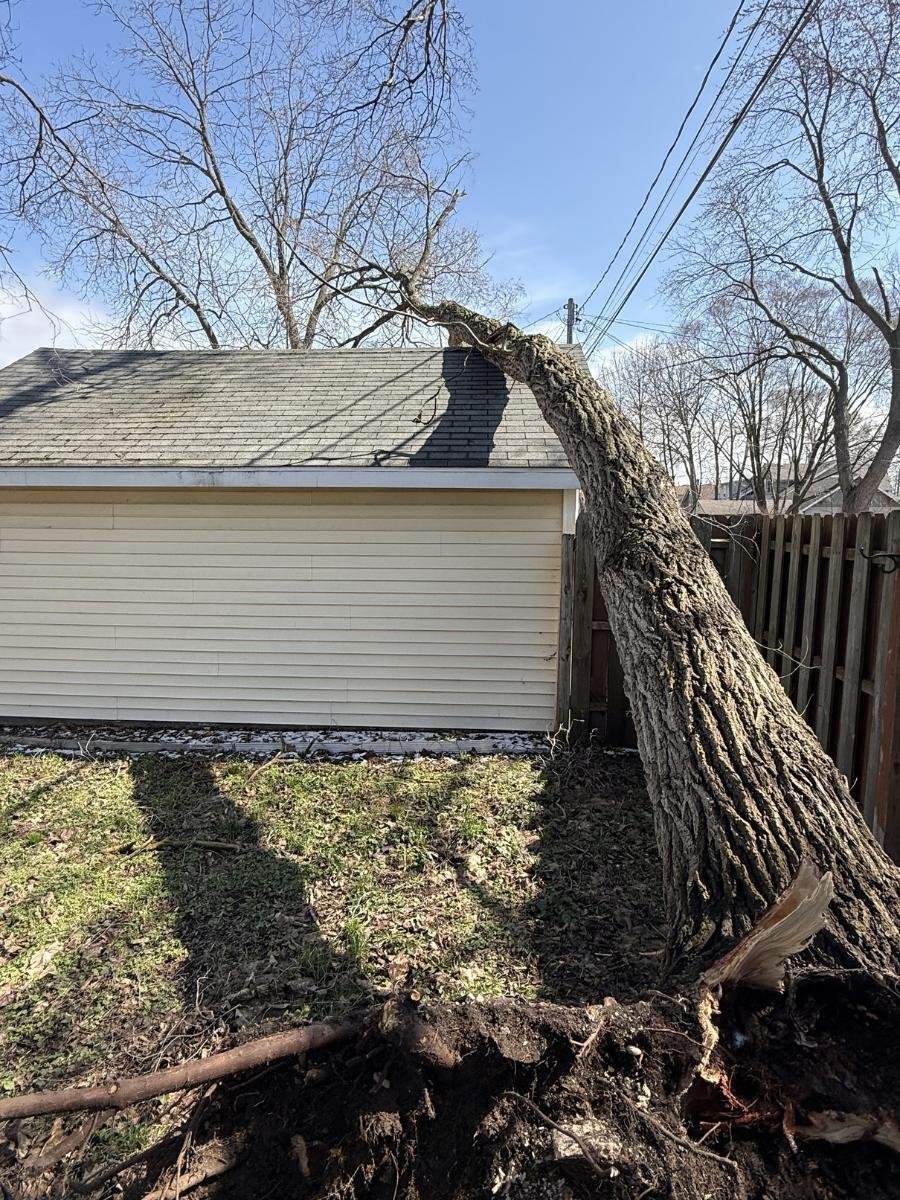
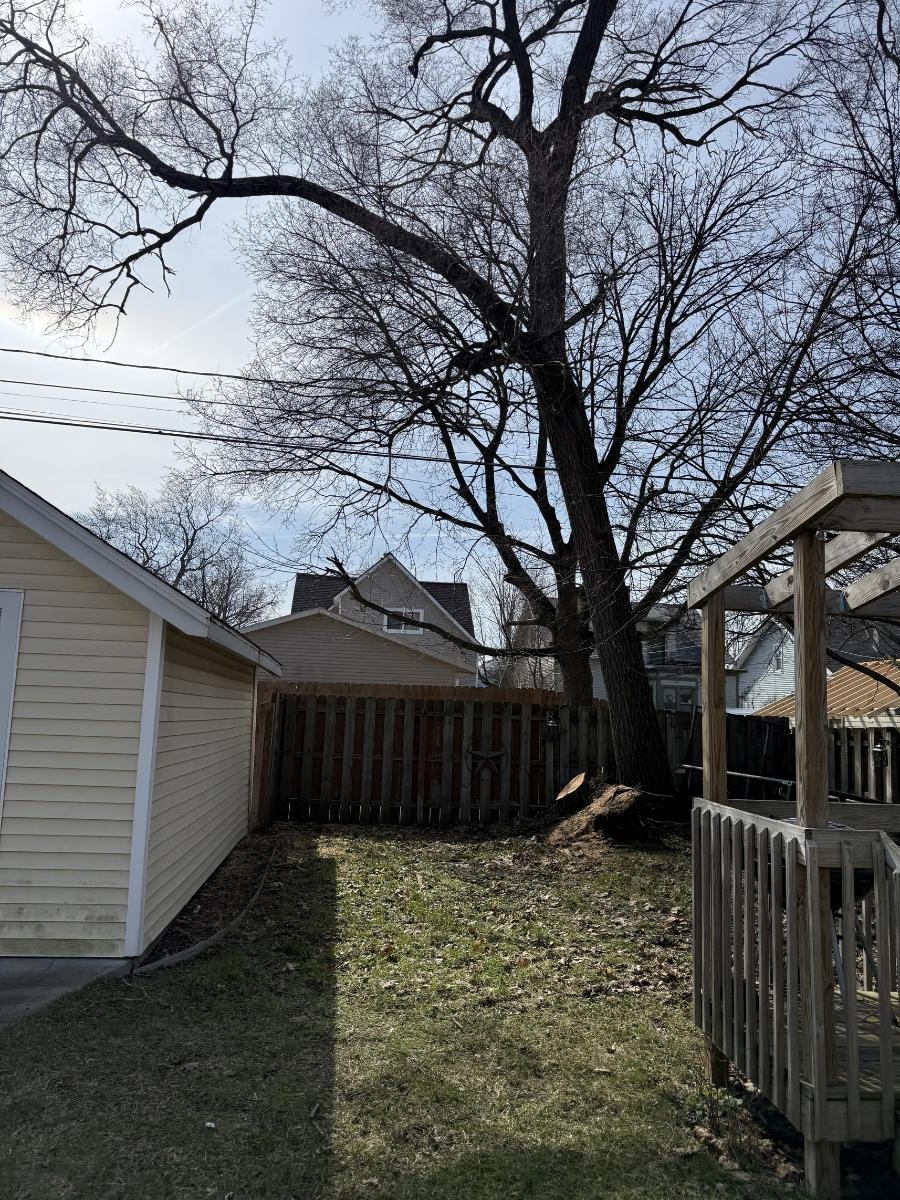
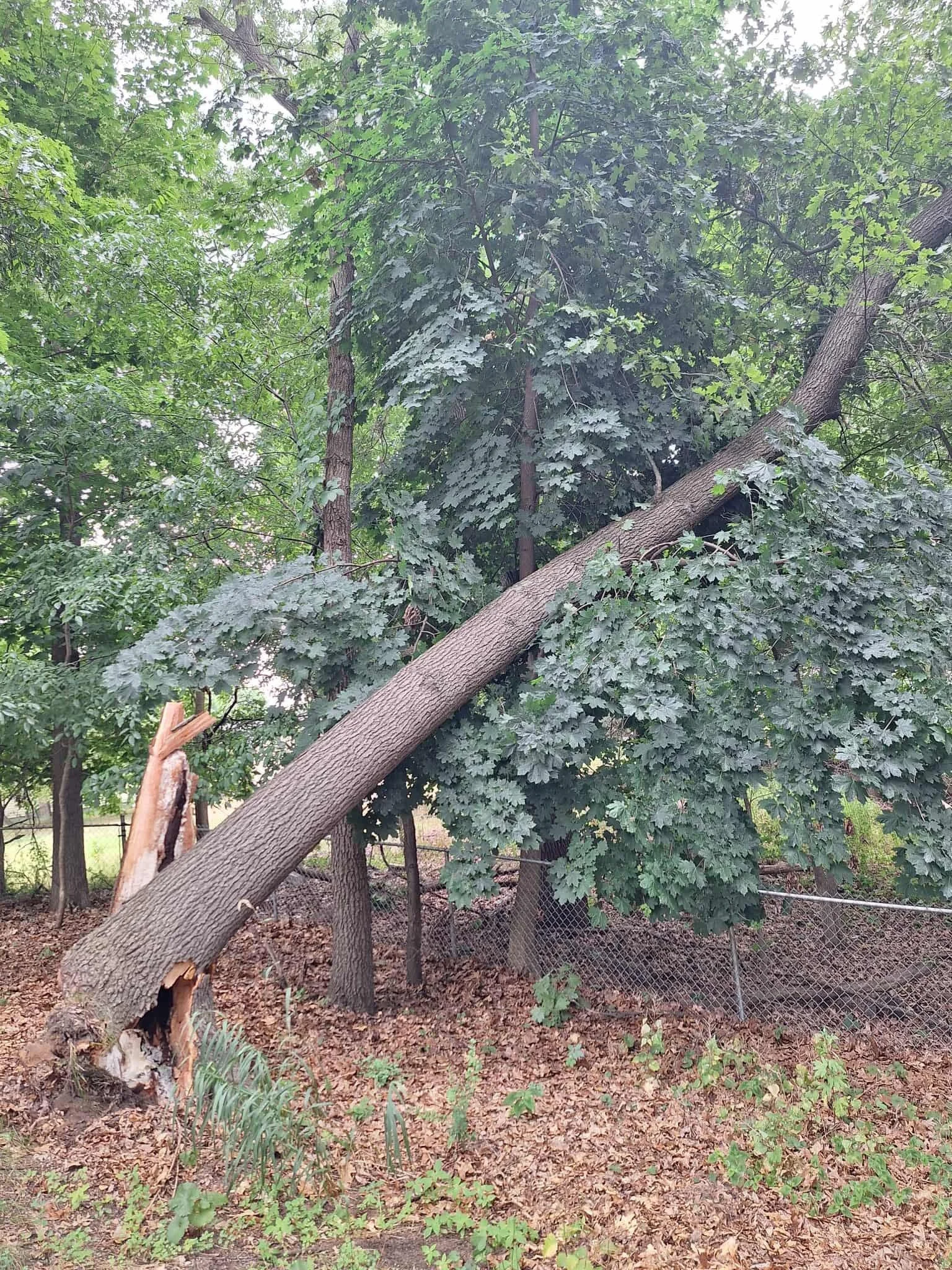
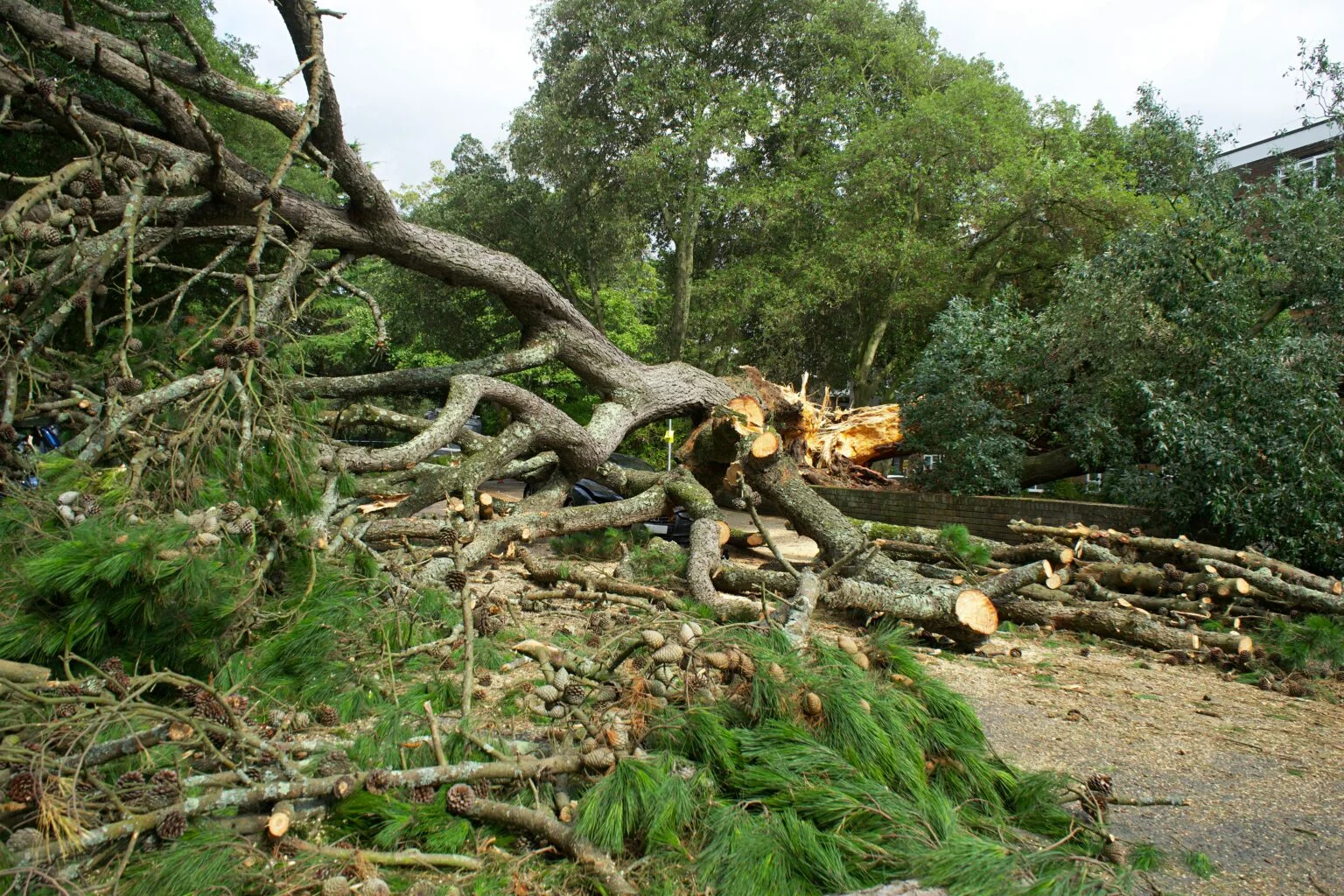
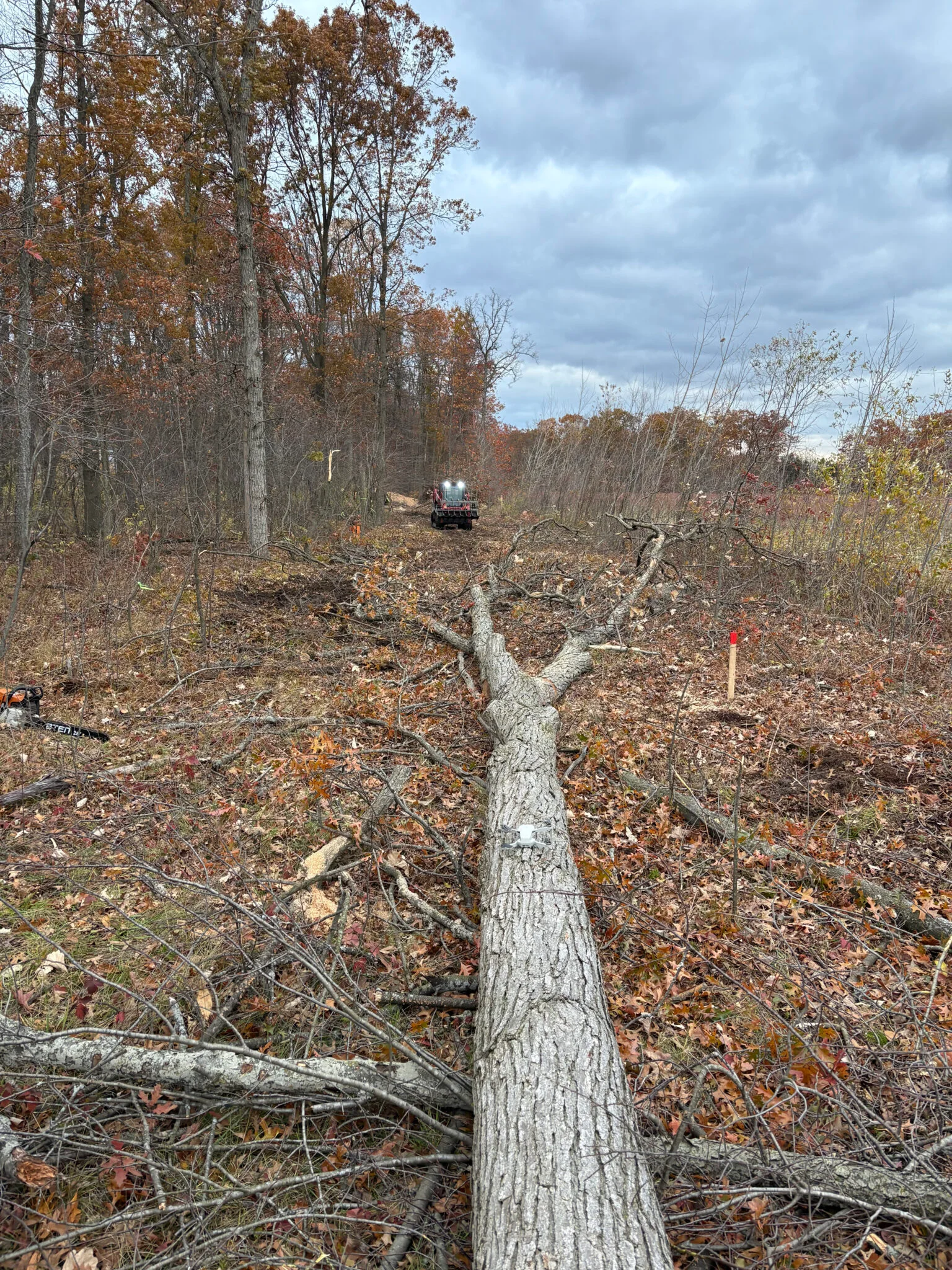
Rooted in Safety, Committed to Your Property.
Emergency Tree Service FAQs
How quickly can you respond to an emergency?
We prioritize emergency and hazardous tree calls and work to get to you as quickly as conditions and crew availability allow. Same-day or next-day response is our goal. After a major storm event, response times may be longer, but we’ll communicate clearly about what to expect. If your situation involves an active hazard, such as a tree on a structure or a hanging limb over an occupied area, tell us that when you reach out.
What counts as an emergency tree situation?
A few things qualify. A tree or limb that’s already come down on a structure. A hanging or partially attached limb over an occupied area. A tree in contact with or falling toward utility lines. Storm damage that’s left the property unsafe to use. A hazardous standing tree that poses imminent risk. If you’re not sure whether your situation qualifies, reach out and describe what you’re seeing. We’ll point you in the right direction.
Do you offer 24/7 emergency service?
We respond to emergency calls as quickly as we can during business hours and will do our best to accommodate urgent situations outside of normal hours when possible. If you reach us after hours, leave a message or use the contact form and we’ll get back to you as soon as we’re available. For active utility line hazards, contact your utility provider directly first.
Is emergency tree removal covered by homeowner's insurance?
In some cases, yes, particularly when a tree has fallen on a structure. Contact your insurance provider as soon as possible. We can provide documentation of the damage and the work performed to support your claim. Not sure what your policy covers? Your insurance provider is the right first call.
How much does emergency tree service cost?
Pricing depends on several factors:
- The size and position of the tree or limb
- What the tree is in contact with and whether rigging is required
- Access for our equipment
- The scope of debris removal and cleanup
- Whether utility line coordination is involved
Emergency jobs often carry a premium over standard scheduling due to the priority response involved. We’ll give you a clear estimate after assessing the situation. No guessing on our end, no surprises on yours.
Do I need to be home for emergency work?
For active hazard situations, it’s helpful to be reachable by phone. You don’t need to be on-site, but we’ll want to confirm access and discuss the situation before we begin. For debris cleanup and follow-up work, we can often operate without you present as long as we have access to the area.
Will you tell me if the situation isn't actually an emergency?
Yes. If we assess a situation and determine it’s not an immediate hazard, we’ll tell you that. We don’t recommend unnecessary emergency responses to generate work. If the tree can wait for a standard scheduled removal, we’ll say so and help you plan accordingly.
Can emergency services be combined with other work?
Yes. Once the immediate hazard is addressed, many customers combine emergency tree removal with stump grinding, additional trimming, or cleanup of other trees on the property. Let us know the full scope of what you’re working with when you reach out and we’ll pull it into a single estimate.
Here’s What Happens Next
- 1. Tell Us About Your Project
Fill out the form with your address, the type of tree service you’re looking for, and any details that will help us understand the job.
- 2. We Schedule a Visit (Fast)
We’ll reach out to set up a time to view your property, typically within 1–2 days. You can be present, or we can assess the trees on our own if that’s more convenient.
- 3. Receive Your Free Estimate
After the site visit, we’ll email you a detailed estimate. We don’t provide pricing on-site, so you have time to review everything clearly and make the right decision.
- 4. Get on the Schedule
Once you approve the estimate, we’ll lock in your service date. On the job day, our crew works efficiently, keeps you informed, and leaves your property clean and cared for.