
Tree Trimming Near Power Lines
Trees Growing Toward Your Power Lines? We Can Fix That.
Branches growing near residential power lines are one of those problems homeowners tend to put off — until a storm makes the decision for them. West Roots Tree Service trims trees and removes branches that are growing toward or alongside utility lines at homes throughout the Greater Grand Rapids area. We work around the lines safely and coordinate with your utility provider when branches have made direct contact.
35+ Five-Star Reviews
Hear From Our Clients
West Roots was amazing. They took the time to explain what they were going to do to clean up our trees and make our yard more safe. They were very professional and did a great job. Trees look perfect and the cleaned everything up. Yard looked like they were never here.
West Roots Tree Service was an awesome experience! They gave us a reasonable quote and worked with us to get the scheduling at the time that was most convenient for us. We love that tree and they could identify with that and treat it with great importance. They recognized the value of the tree to our property and took great pains to make sure the tree was left in a healthier condition. Once the work was completed, they left no signs that they had even been here. If you are looking for tree service these guys are for you!
Best price and best work we have ever had done. They are extremely professional and efficient. Did a great job from booking, actual trimming/removal, and clean up. Stand up job guys! If we need anyone for any other tree needs we will be coming back. And anyone that asks we will send your way! Thanks so much! I feel much better having my kids play in the backyard with all the dead limbs trimmed off of our trees!
West roots were prompt, very professional and did a great job on all 3 times we hired them. We were so happy we recommended them to several neighbors who hired them also.
Great communication. They gave an estimate and did exactly what they said they would do. We agreed to doing the cleanup ourselves but they did a great job of clearing away the stuff off from our immediate driveway so we could get in and out w/o any problems. Super good people to have at your house. We would definitely use them again!
Residential Utility Line Trimming: What It Involves
Trimming trees near utility lines at residential properties is more involved than standard tree trimming. The presence of power, telephone, or cable lines limits where branches can fall, how we can position equipment, and what we can safely cut without involving the utility company.
Before we begin, we assess:
- Which overhead lines are present and identify their type—such as primary (main neighborhood distribution lines), and secondary/service (lower-voltage lines running to individual homes), as well as cable and telephone.
- How close branches are to the lines and whether any are making contact
- The size, weight, and angle of the branches in question
- Ground access for our equipment
- The overall health of the tree and whether additional trimming is warranted
From there, we determine the scope of what we can safely handle and what, if anything, needs to be routed to your utility provider first. Our approach on these jobs:
- Trim branches growing toward lines before they reach them
- Clear branches growing alongside or beneath lines where we can work safely
- Use proper cutting techniques to encourage growth away from the lines going forward
- Identify any branches already in contact with lines and coordinate the next steps with you
- Remove all debris and leave your property clean before we go
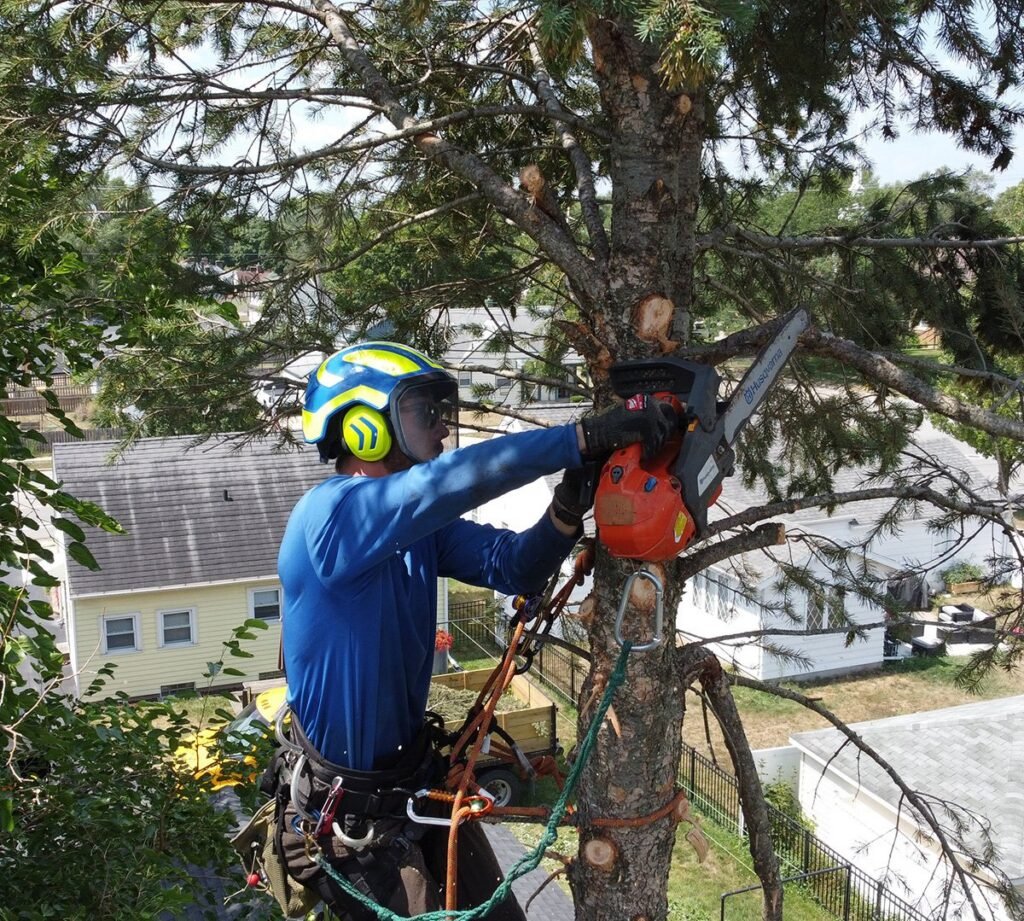
What West Roots Handles vs. What the Utility Company Handles
West Roots trims branches that are growing near utility lines but have not yet made contact. Once a branch is actively touching a live electrical line, that work falls under the jurisdiction of your utility provider. Attempting to cut branches in direct contact with live lines without utility involvement is a safety and liability issue.
Here’s how it typically breaks down:
What West Roots handles:
- Branches growing toward lines that haven’t yet made contact
- Branches growing alongside or beneath lines where safe clearance exists
- Trimming the tree to reduce future encroachment toward the lines
What the utility company handles:
- Branches actively touching or tangled in live electrical lines
- Line clearance that requires de-energizing or insulating the line
- Any work within the minimum approach distance of a live electrical conductor
When we arrive for your estimate and find branches already in contact with a live line, we’ll tell you exactly what we see and what the right next step is. In many cases, we can still do the majority of the work; we just coordinate with the utility company on the portion that requires their involvement.
Common Reasons Homeowners Call Us
Branches Growing Toward the Service Drop
The service drop is the line running from the utility pole to your home. Trees planted anywhere along that path can grow into it over time, often faster than homeowners expect.
- We assess how much clearance exists between the branch and the line
- Trimming now prevents contact and reduces the likelihood of outages or damage in a storm
- We make cuts that encourage the tree to grow in a different direction going forward
Overgrown Trees Along the Property Line
Trees near the edge of your property often grow toward utility lines running along the street or alley. Left untrimmed, these branches can eventually contact lines serving your home or a neighbor’s.
- We assess the growth pattern and identify branches most likely to become a problem
- Trimming along a property line requires attention to what’s on both sides
- We’ll note if any branches have already crossed into contact with a line
Storm Damage Near Utility Lines
A storm can leave broken or hanging branches draped over or near a line. These situations are more urgent because the branch position may already be unstable.
- We assess whether the branch is in contact with a live electrical line before proceeding
- If contact exists, we coordinate with the utility company before removing the branch
- If no contact exists, we can typically address it on a faster timeline
Tree Growth After Previous Utility Trimming
Utility companies trim trees on a maintenance schedule, but that schedule doesn’t always align with how fast a particular tree grows. If your tree has been trimmed by the utility company before and is growing back toward the lines, a proactive trim from a tree service can keep it in check between utility visits.
- We assess how much clearance remains from the last utility trim
- We can remove growth that’s heading back toward the lines
- Regular trimming on a shorter cycle is often more cost-effective than waiting for a larger job
Tree Removal Services Across West Michigan
- Allendale
- Hudsonville
- Grandville
- Wyoming
- Grand Rapids
- Walker
- Grand Haven
- Holland
- Byron Center
- Ada
- Belmont
Why Homeowners Choose West Roots
Jobs near utility lines require honesty up front. We assess the situation during your estimate and give you a clear picture of what we handle, what the utility company handles, and what the process looks like from there. No surprises on the day of service.
We Respond and Schedule Quickly
We aim to visit your property within 1–2 days of your request. Situations involving storm-damaged branches near a line are treated as higher priority.
We Clean Up Completely
Every job ends with full debris removal and a thorough cleanup. We treat your property like it’s our own.
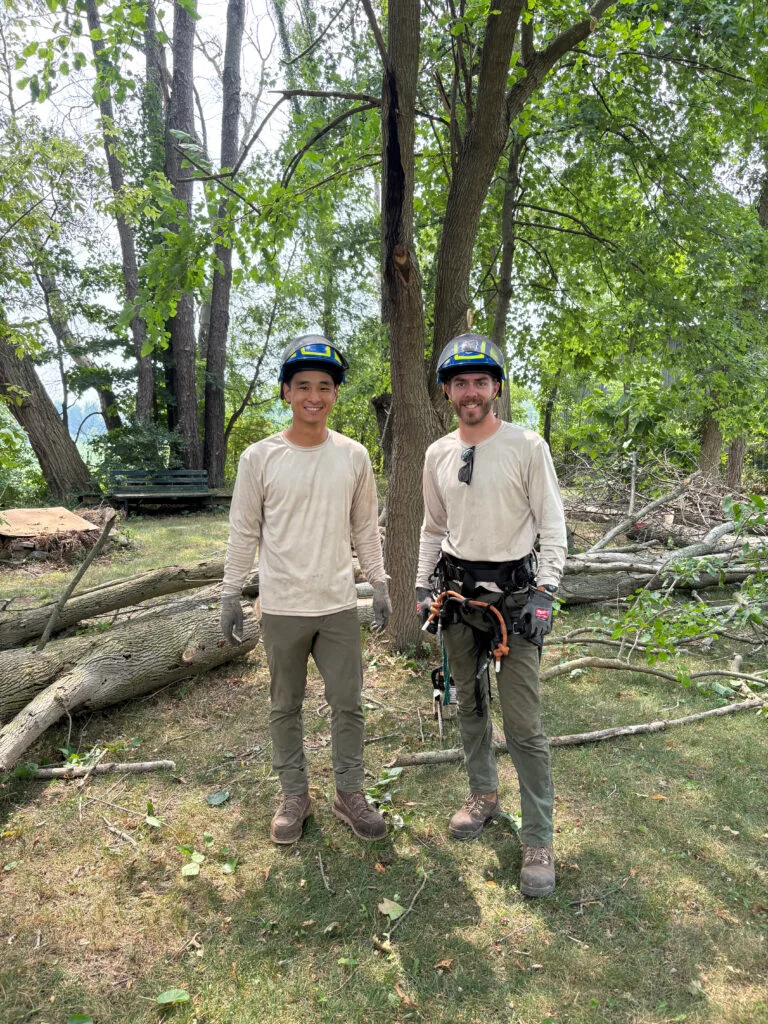
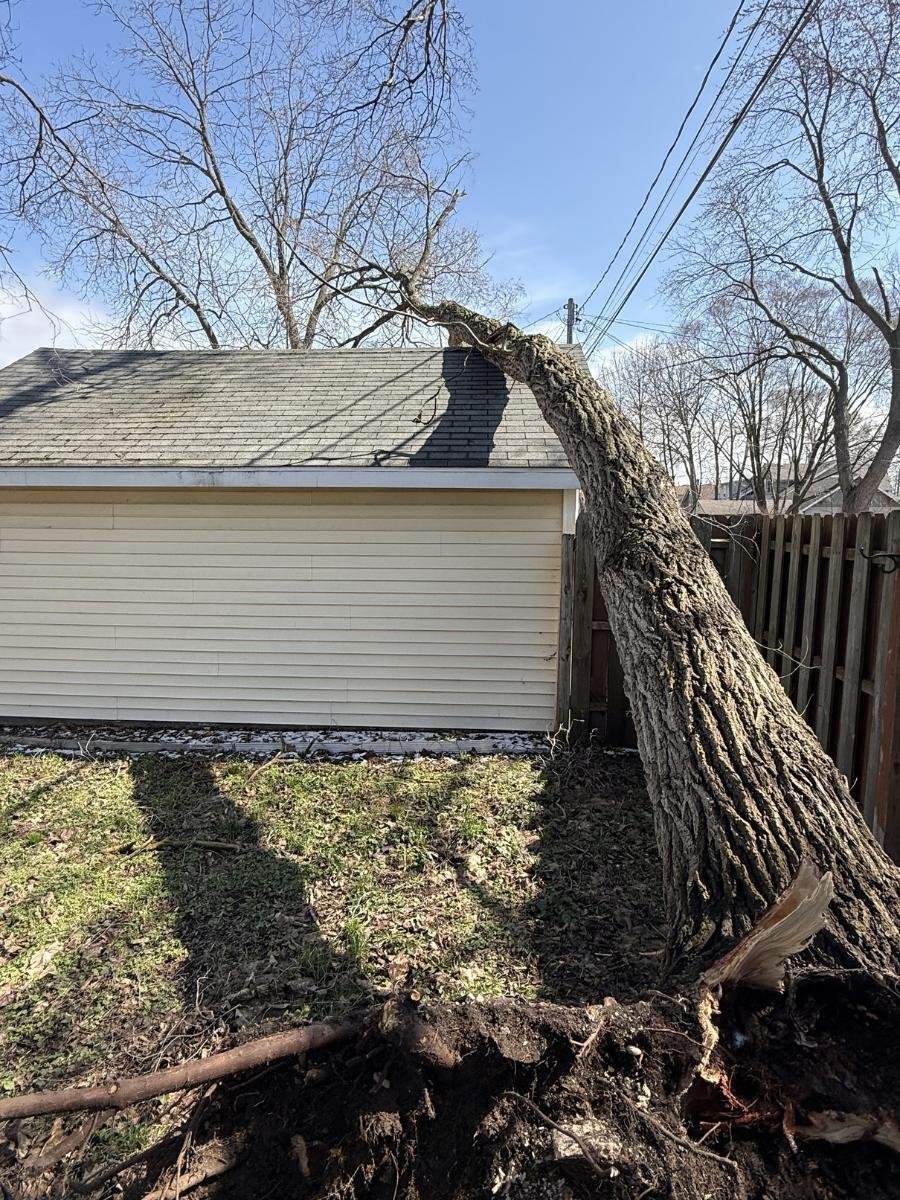
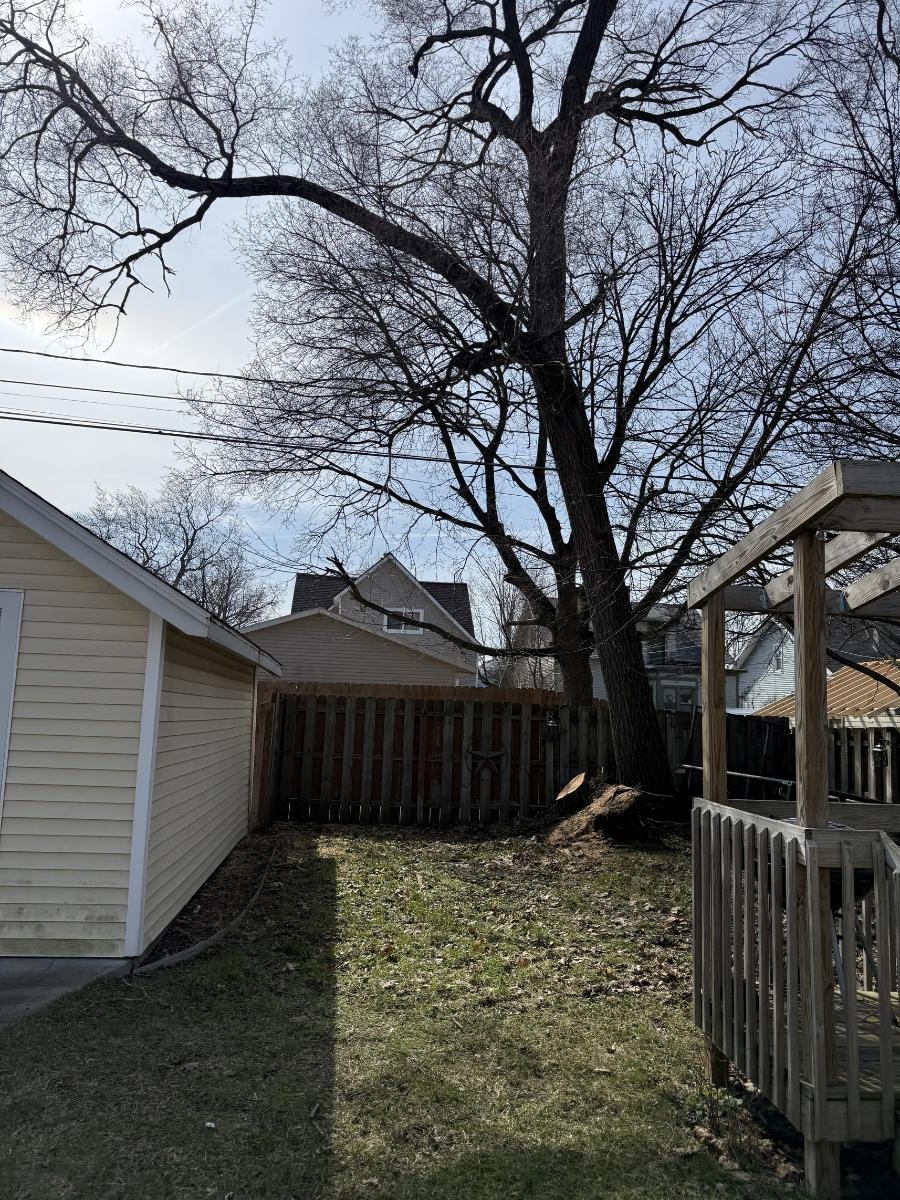
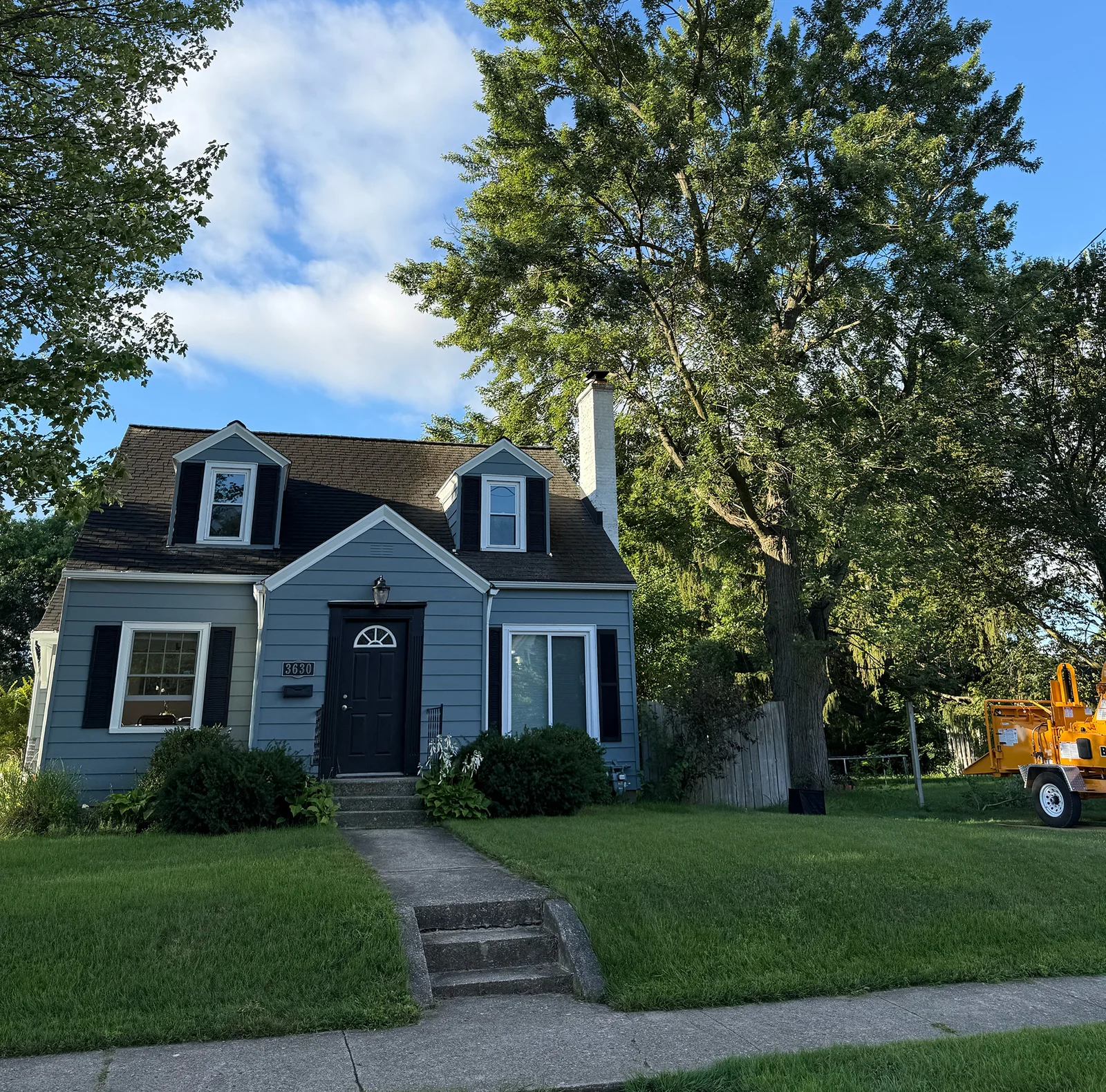
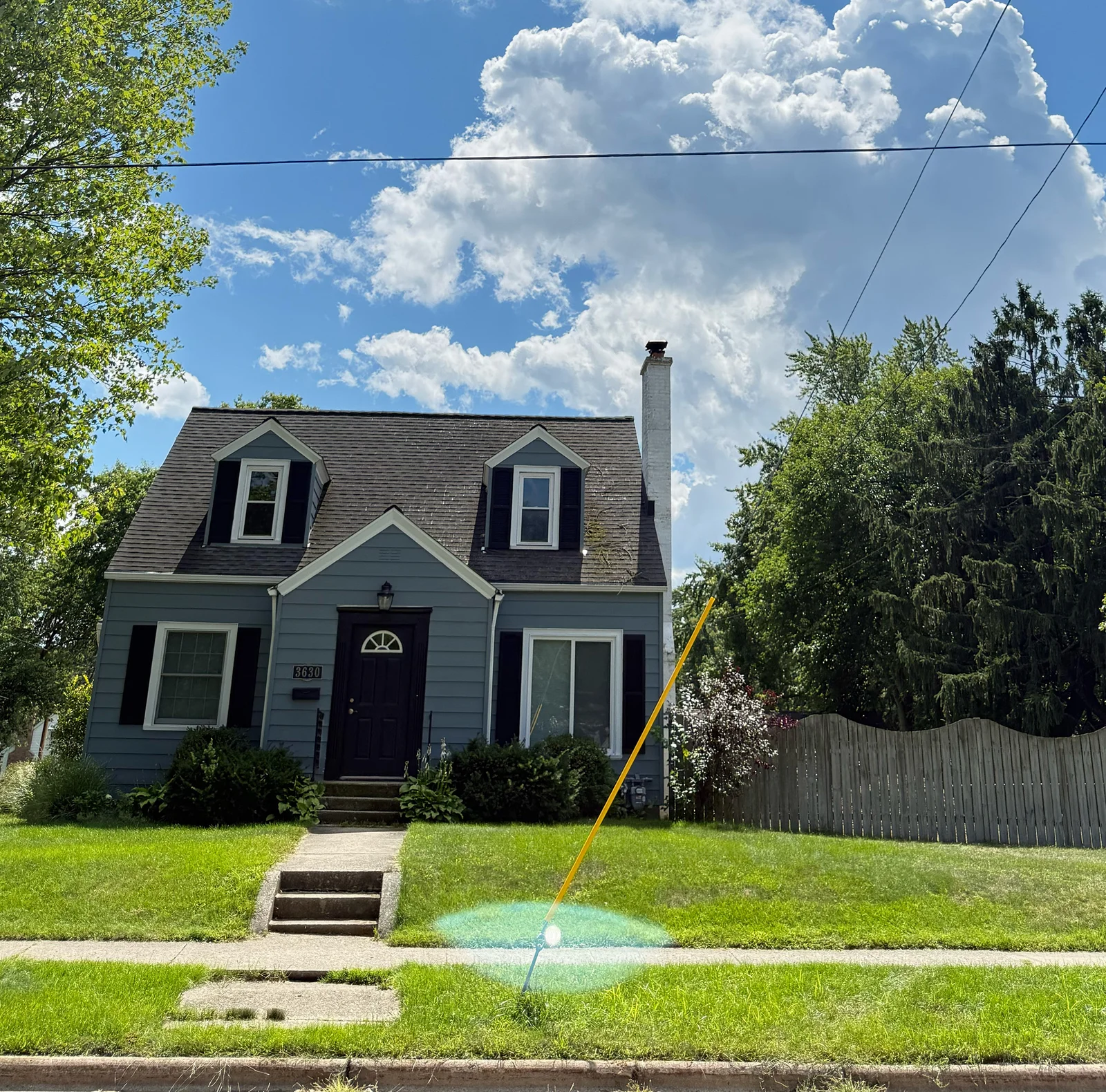
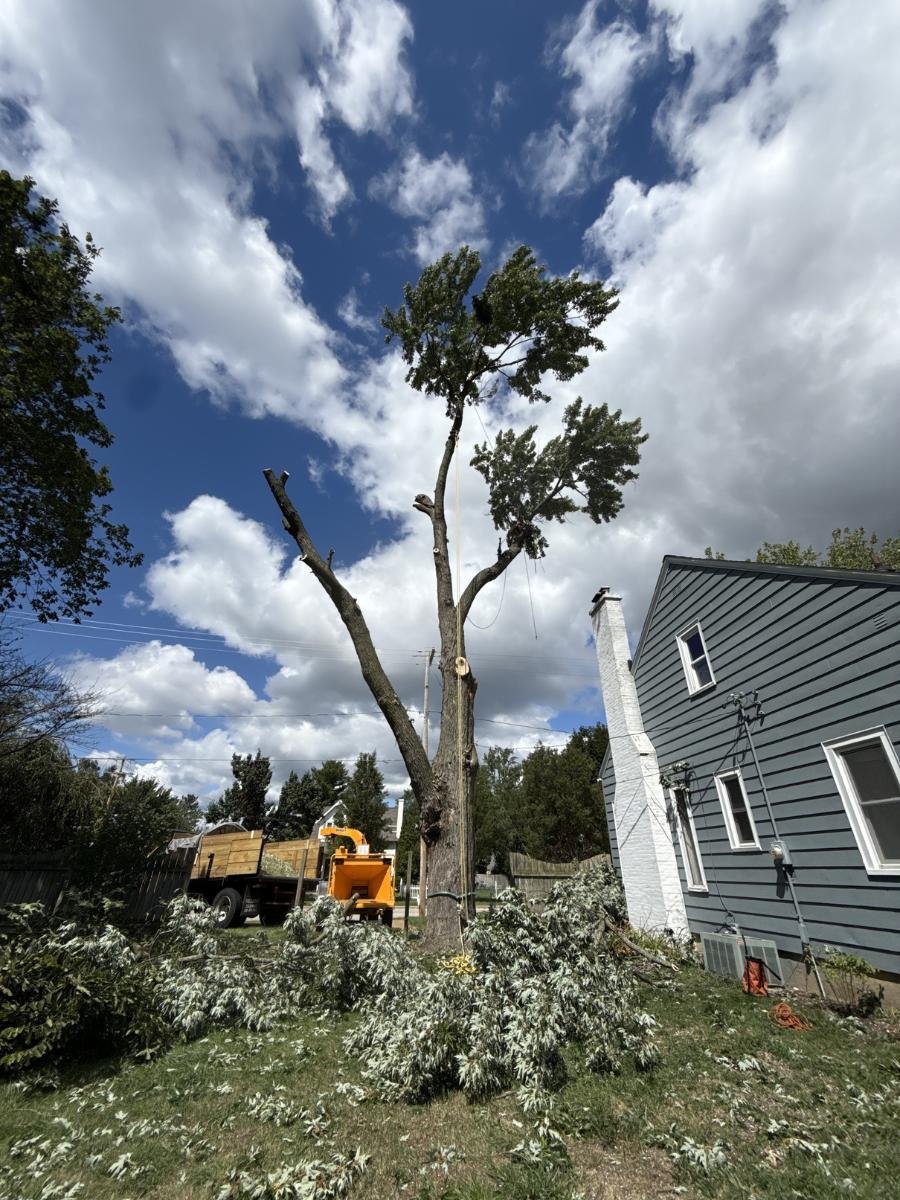
Rooted in Safety, Committed to Your Property.
FAQs
Can you trim a tree that’s touching a power line?
It depends on the type of line and whether it’s a live electrical conductor. For branches touching live electrical lines, that work requires utility company involvement. We can handle branches that are growing near lines but haven’t made contact, and in many cases we can do the majority of the job even when a utility company is needed for one portion of it. We’ll tell you exactly what we’re seeing during the estimate.
Who do I call if a branch is already touching my power line?
Contact your utility provider first — they can assess whether the line needs to be de-energized or insulated before any trimming work is done. Once that’s been addressed, we can handle the tree side of the job. If you’re not sure who to call, reach out and we’ll point you in the right direction.
How much does utility line trimming cost?
Pricing depends on the size and number of branches being trimmed, how close they are to the lines, and the equipment access available at your property. We provide free estimates after visiting your property.
Will the utility company trim my tree for free?
Utility companies trim trees near their lines on their own maintenance schedule, but that trimming is done to protect the lines, not to look after your tree. The cuts they make are often aggressive. If you want trimming done on your timeline and with the health of the tree in mind, a tree service is the right call.
How quickly can you get out here?
We aim to schedule property visits within 1–2 days of your request. If a branch has come down near a line after a storm, let us know — we prioritize those situations.
Do I need to be home?
No. We can assess the tree and complete the job without you present as long as we have access to the area. We’ll communicate before and after.
Here’s What Happens Next
- 1. Tell Us About Your Project
Fill out the form with your address, the type of tree service you’re looking for, and any details that will help us understand the job.
- 2. We Schedule a Visit (Fast)
We’ll reach out to set up a time to view your property, typically within 1–2 days. You can be present, or we can assess the trees on our own if that’s more convenient.
- 3. Receive Your Free Estimate
After the site visit, we’ll email you a detailed estimate. We don’t provide pricing on-site, so you have time to review everything clearly and make the right decision.
- 4. Get on the Schedule
Once you approve the estimate, we’ll lock in your service date. On the job day, our crew works efficiently, keeps you informed, and leaves your property clean and cared for.